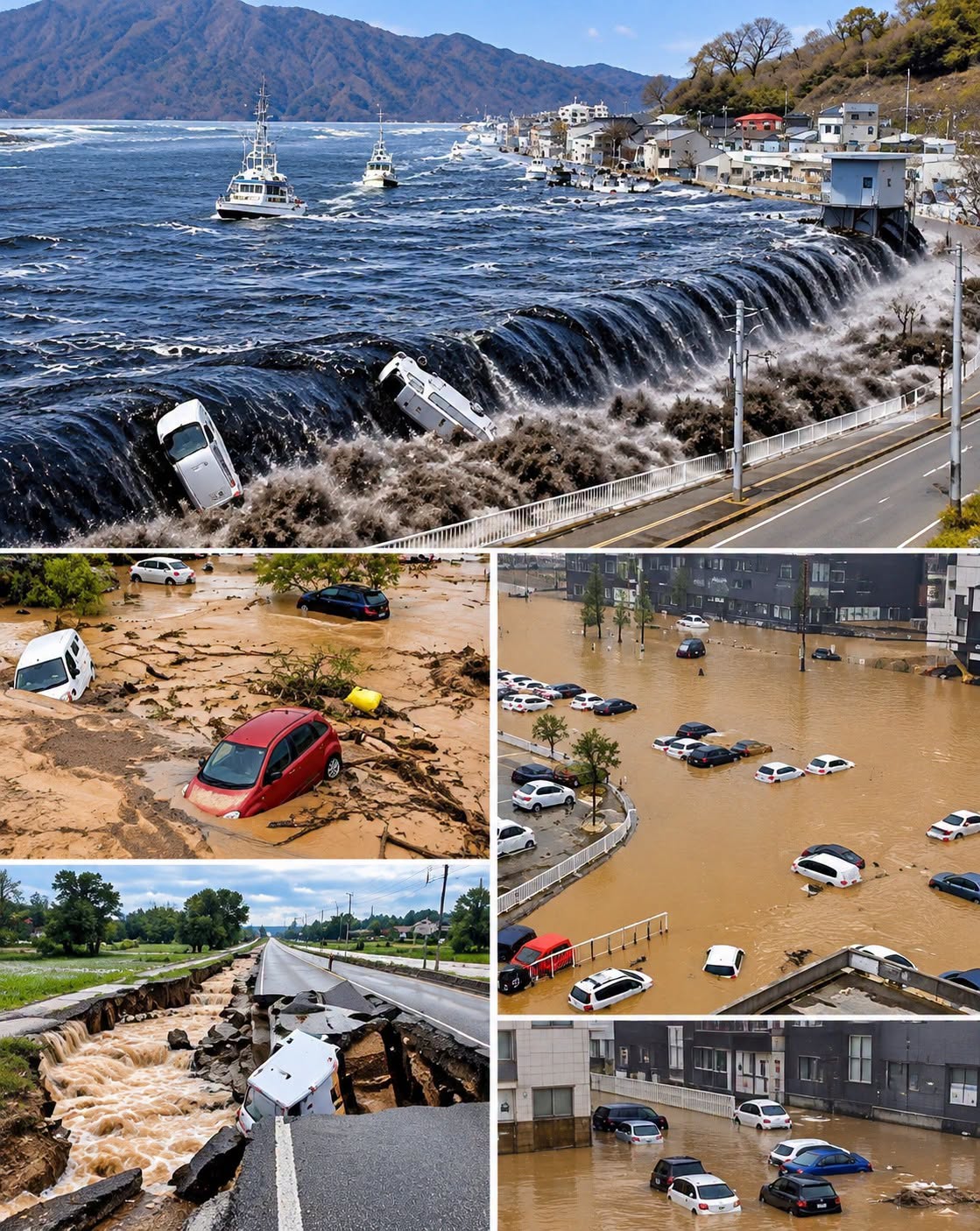
could face exposure if dangerous waves developed. Tsunami hazards can include strong currents, rapid changes in sea level and coastal flooding, even at locations far from an earthquake’s epicenter. Authorities generally rely on seismic monitoring, ocean observations and updated forecasts to determine whether coastal warnings should remain active, be modified or be canceled.
As emergency teams evaluated the situation, the immediate priorities were identifying structural damage, protecting coastal populations and determining whether critical infrastructure had been affected. The USGS magnitude estimate of 7.7 and NOAA’s initial tsunami warnings established