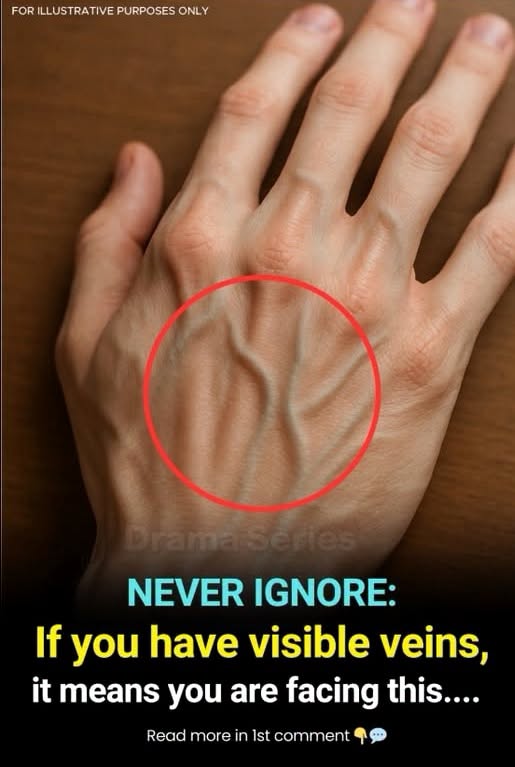
can have meaningfully different vein prominence.
Hormonal factors also interact with genetics and can directly affect vein appearance. Pregnancy substantially increases circulating blood volume and places greater pressure on the veins of the pelvis and legs, while hormonal shifts associated with pregnancy and menopause can affect vein wall tone and valve integrity. These influences help explain why varicose veins are more common in women, particularly after pregnancy, even when other risk factors are comparable between individuals.
Healthcare professional examining a patient’s leg veins in a calm clinical setting
Healthcare professional